




The Anesthesiology department at the LAU Gilbert and Rose-Marie Chagoury School of Medicine and the Lebanese American University Medical Center-Rizk Hospital (LAU Medical Center-Rizk Hospital) is one of the leading anestheisology departments, in the country.
With its rich faculty makeup, be it levels of experience and training, the strict focus on quality of care on top of all other considerations, the dedication to teaching on all fronts and the structured program for continuous professional development, it has placed itself at the forefront of perioperative medicine as a whole.
Message from the Chairman
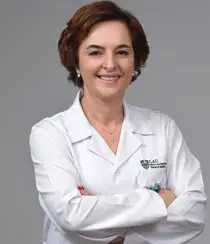
Vanda Abi Raad MD
LAU Gilbert and Rose-Marie Chagoury School of Medicine, Chair of Anesthesiology
Welcome to our Department of Anesthesiology
With a legacy of clinical excellence dating back to the 1960s, we are dedicated to advancing anesthesiology and perioperative medicine. Our highly professional team ensures exceptional anesthesia and perioperative pain management, utilizing the latest equipment, cutting-edge techniques, and a welcoming atmosphere designed to put patients at ease.
Our faculty, renowned leaders in various anesthesia subspecialties, enjoy national and international recognition. Their expertise spans every facet of our department, from patient care to education and research.
Education is at the heart of our mission. Our highly regarded residency program, following the ACGME-I structure, offers positions for 15 physicians in training over a 4-year categorical program. Our commitment to clinical research is unwavering, with active involvement from both residents and faculty members.
Collaboration is essential; our dedicated teams of faculty members, anesthesia-trained nurses, and residents seamlessly deliver patient-centered care across numerous locations, working closely with other medical and surgical specialties to ensure holistic patient well-being.
We invite you to explore our department and discover how our steadfast commitment to excellence and innovation ensures the highest quality care in a warm and professional atmosphere for you and your loved ones at LAU Medical Centers.
Specialties
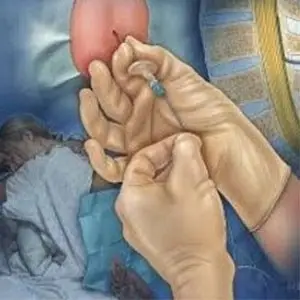
Obstetric Anesthesia

Pain Relief for Labor and Delivery

Cesarean Section

Pediatric Anesthesia
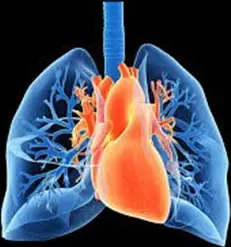
Cardiac, Thoracic & Vascular Anesthesia
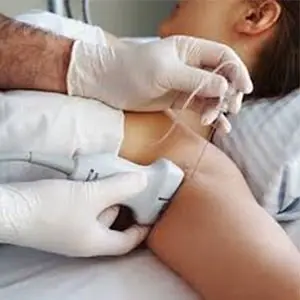
Regional Anesthesia & Acute Pain Medicine

Neuroanesthesia

Head and neck anesthesia advanced airway management
Doctors
 Vanda Abi Raad
Chair of department of Anesthesiology
Clinical Professor
 Jessy Abou Nader
Anesthesia
Anesthesiology
 Georges Assaf
Clinical Assistant Professor
Anesthesia
Anesthesiology
Georges.assaf@laumcrh.com
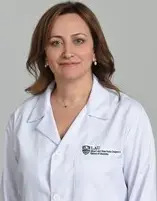 Hanane Barakat
Clinical Assistant Professor
Anesthesiology
Program Director in Anesthesiology
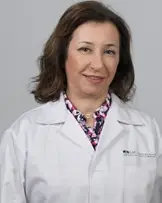 Caroline Chahine
Clinical Instructor
Chief of Cardio-thoracic & Vascular Anesthesiology Section Cardiac, Thoracic & Vascular Anesthesia Anesthesiology caroline.chahine@laumcrh.com Ext: 5150
 Sandra Elias
Anesthesia
Anesthesiology
sandra.elias@laumcrh.com
 Bassam Gerges
Clinical Assistant professor
Anesthesiology
Anesthesia Anesthesiology bassam.gerges@laumcrh.com Krystel Malek
Clinical Instructor
Chief of Pediatric Anesthesiology Section
Pediatric Anesthesia Anesthesiology krystel.malek@laumcrh.com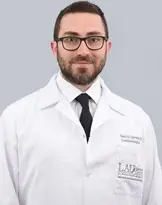 Rony Nawar
Clerkship Director in Anesthesiology
Anesthesiology
Anesthesia Anesthesiology rony.nawar@laumcrh.com Carole Serhal
Anesthesia
Anesthesiology
 Samantha Sukkar
Anesthesia
Anesthesia
Anesthesiology
Alaa El Chal
Anesthesia
Anesthesiology
Types of anesthesia
Monitored Anesthesia Care
Monitored Anesthesia Care means that an anesthesia provider will be with you throughout your procedures to provide you with sedative and pain medication. The amount of medication will be carefully measured, and depending on your needs, will result in anywhere from moderate to deep sedation. The end result is that your procedure can be performed without any anxiety or discomfort. During moderate sedation, you will usually be able to speak and respond to verbal cues throughout the procedure, communicating any discomfort you might experience to your anesthesia provider.
During deep sedation, you will be completely unaware of your surroundings. Regardless of the depth of sedation required, your anesthesiologist will monitor your heart rate, blood pressure, breathing, and level of alertness closely throughout and after the procedure.
Monitored Anesthesia Care may be administered to both adults and children for a variety of procedures, including the following:
- Diagnostic radiology procedures, such as MRI, performed by radiology technicians
- Interventional radiology procedures, such as embolization of blood vessels, performed by radiologists
- Cardiac procedures, such as TAVR performed by cardiologists
- Colonoscopies and upper endoscopies, performed by gastroenterologists
- Hysteroscopies, performed by gynecologists
- Eye surgery, performed by ophthalmologists
Regional Anesthesia
Regional anesthesia involves injection of anesthetic medications near a cluster of nerves such that only the area of your body requiring surgery is numb. For example, spinals and epidurals are methods of regional anesthesia which effectively block sensation in the lower half of your body. Peripheral nerve blocks are often used to numb individual limbs, such as one arm or leg. They are also used to provide pain management for truncal procedures. This type of anesthesia is used for many different types of procedures, including orthopedic, urological, abdominal, gynecologic, breast, thoracic and obstetric.When receiving regional anesthesia, you may remain awake or you may be given intravenous (IV) sedation so that you will be relaxed and sleepy during the surgery. Regional anesthesia tends to result in less nausea and vomiting than general anesthesia. Even if you have general anesthesia for your procedure, a regional technique such as an epidural or a nerve block can be very effective after surgery to prevent or treat pain.
General Anesthesia
Most major operations are performed under general anesthesia. This means that you will be unconscious and have no awareness of the surgical procedure. General anesthesia typically interferes with normal breathing, so your anesthesia provider will manage your breathing for you.Your anesthesia provider will carefully measure a combination of intravenous and inhaled drugs to allow you to facilitate your surgeon's ability to perform the procedure and to take you through the procedure safely and comfortably.
Training
Residency
The Anesthesiology residency is a four-year clinical training program. We offer 2 residency positions yearly for a total of 8 residents in the program at any one time. These positions are open to graduates of accredited medical schools. The residency training takes place at LAU Medical Center-Rizk Hospital mainly, where residents rotate in different subspecialties. They also rotate at Clemenceau Medical Center and at Rafic Hariri University Hospital.
Our residents are provided with comprehensive training, whether they wish to purse a subspecialty fellowship, join a private practice or pursue an academic career. Our residents, given progressive and graded responsibility, are offered opportunities to develop the requisite skills to become outstanding anesthesiologists.
The integration of simulation in training plays a pivotal role in our residents’ education whereby several workshops are provided over the course of the year such as the annual airway workshop that is held at the hospital including part task trainers and in situ simulation in addition to the anesthesia crisis resource management course that is required prior to graduation with several hands on simulation sessions where the resident not only plays the role of the student but also the teacher.
Apply for an anesthesiology residency here: medicine.lau.edu.lb/gme/
Medical Students
We offer electives for fourth year medical students from different medical schools. LAU medical students rotate in our department for 3 weeks during their fourth year of training. During their rotation, students are exposed to general and sub-specialty anesthesiology.Students will be taught basic medical skills such as IV placements, Ventilation, intubation and LMA placements. They also participate in patient examinations, and observe the different types of anesthetics being performed.
For appointments, get in touch:
Call Us Find UsCall Us:
Beirut Jounieh